
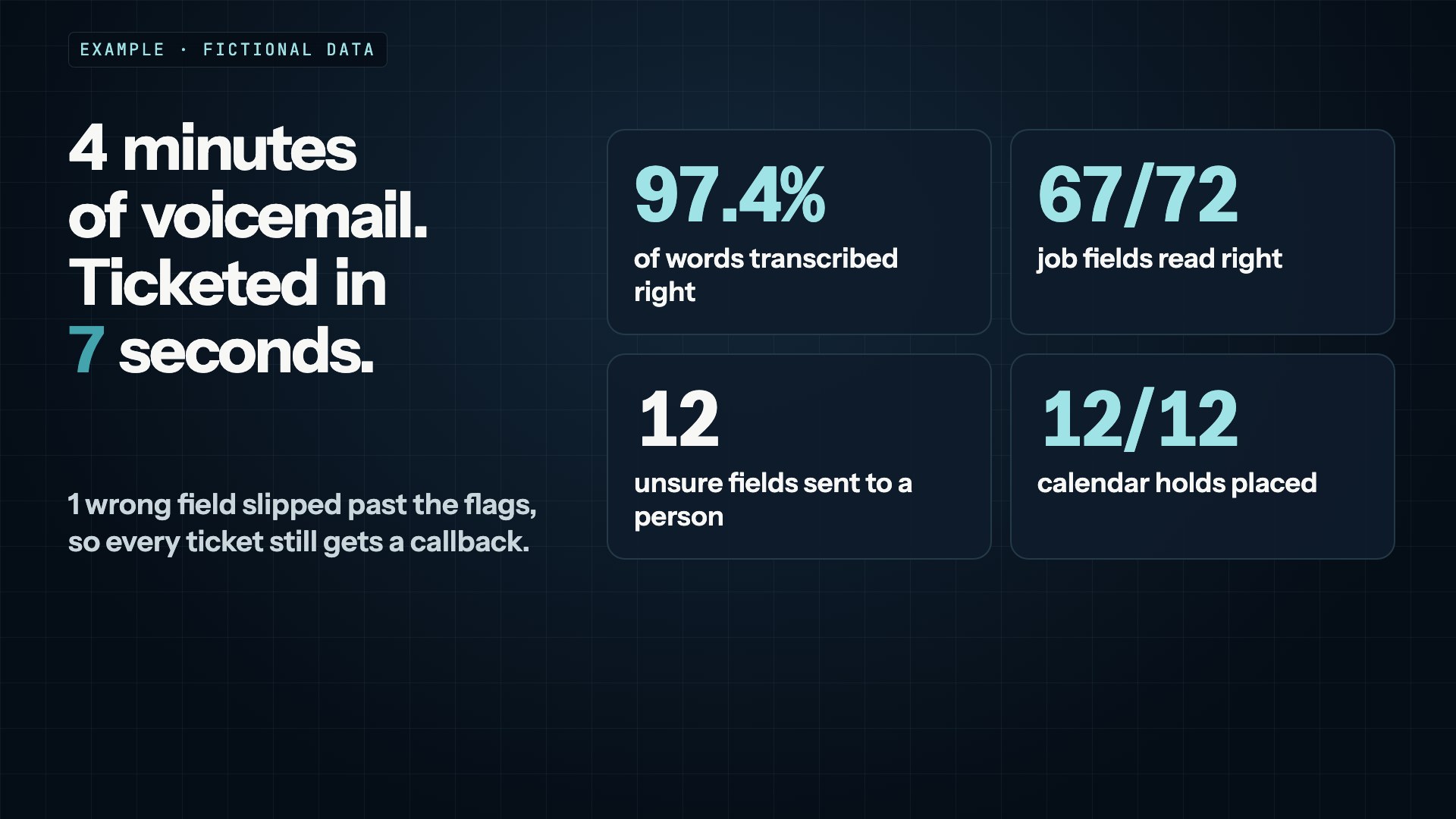
After-hours voicemails turned into job tickets by morning
After-hours voicemails become job tickets with the name, address, problem and a calendar hold. For plumbing and HVAC shops in Jonesboro and NE Arkansas.
The jobs business automation takes off a small business’s plate, each shown in a short video of a real run on fictional data, with the point where a person approves.
Everything here is labeled with what it is. A demonstration shows how a workflow behaves with invented records. Only work a client reviewed and authorized is ever presented as a client result.
Every company, person and record in the videos is made up.
After-hours voicemails become job tickets with the name, address, problem and a calendar hold. For plumbing and HVAC shops in Jonesboro and NE Arkansas.
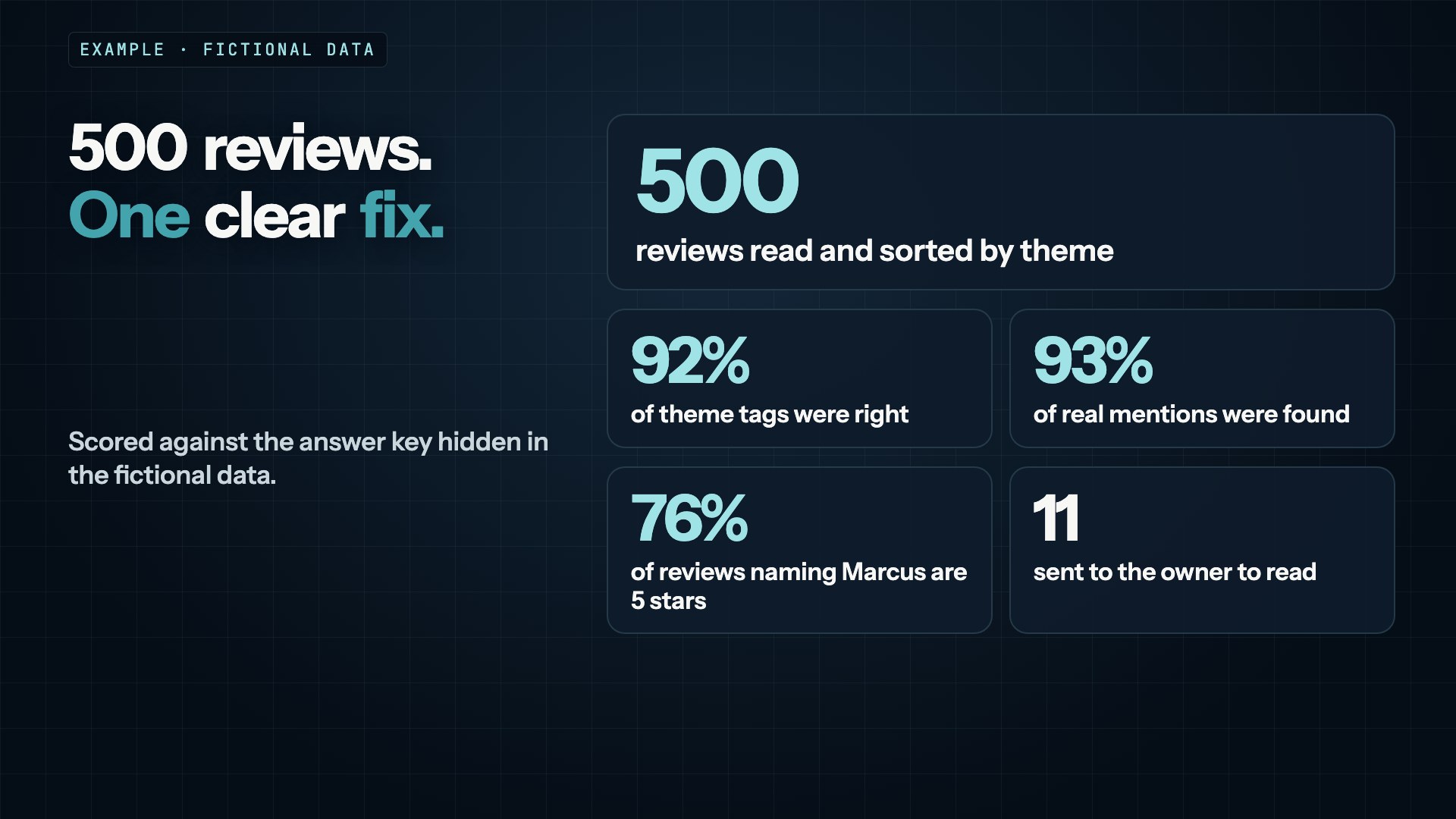
Two years of customer reviews sorted by theme to find the complaint behind your low ratings and when it started. For service businesses in Northeast Arkansas.
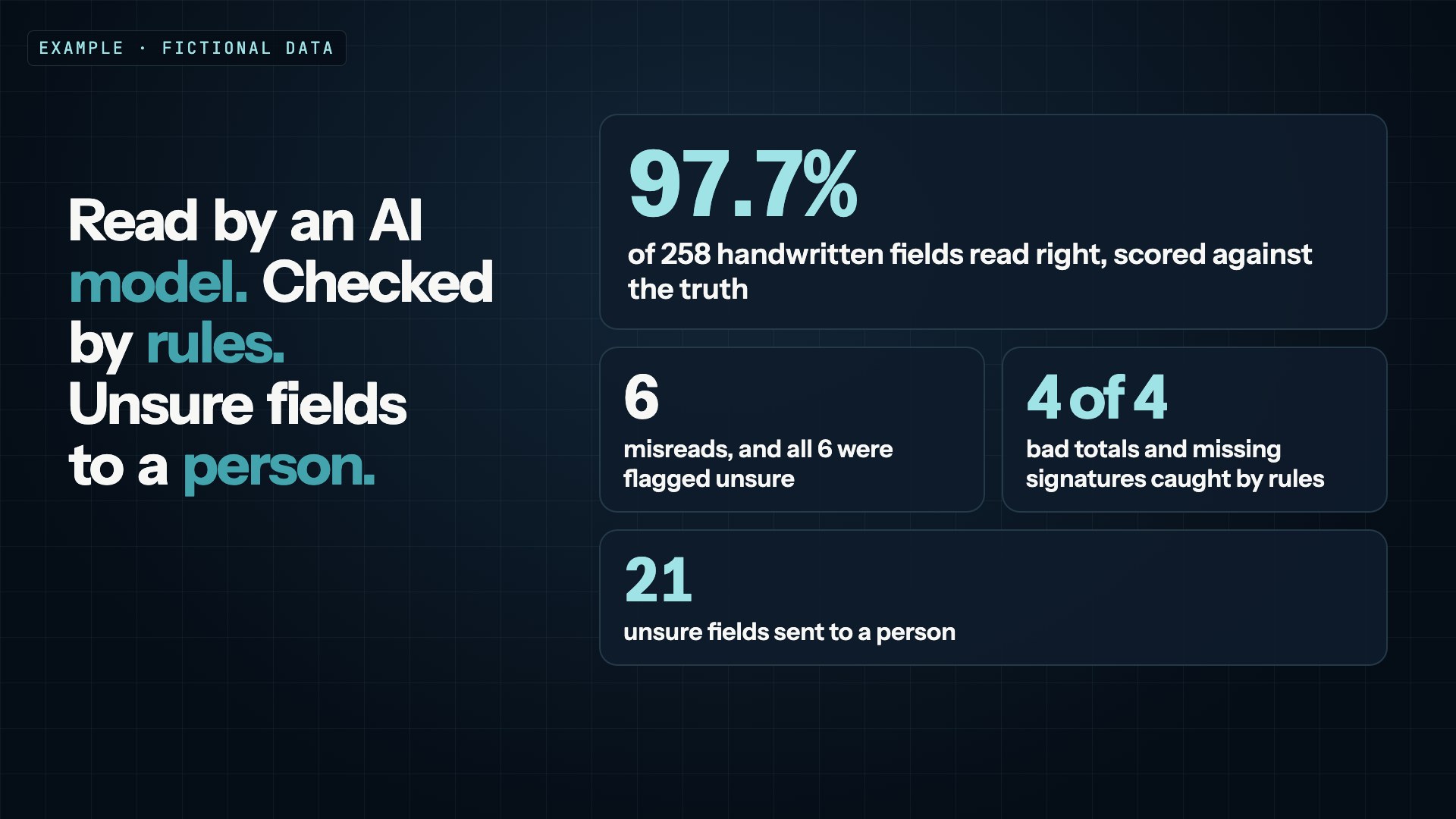
Phone photos of handwritten job sheets read into work orders, with hours, parts and signatures checked before billing. For HVAC and trade shops in NE Arkansas.
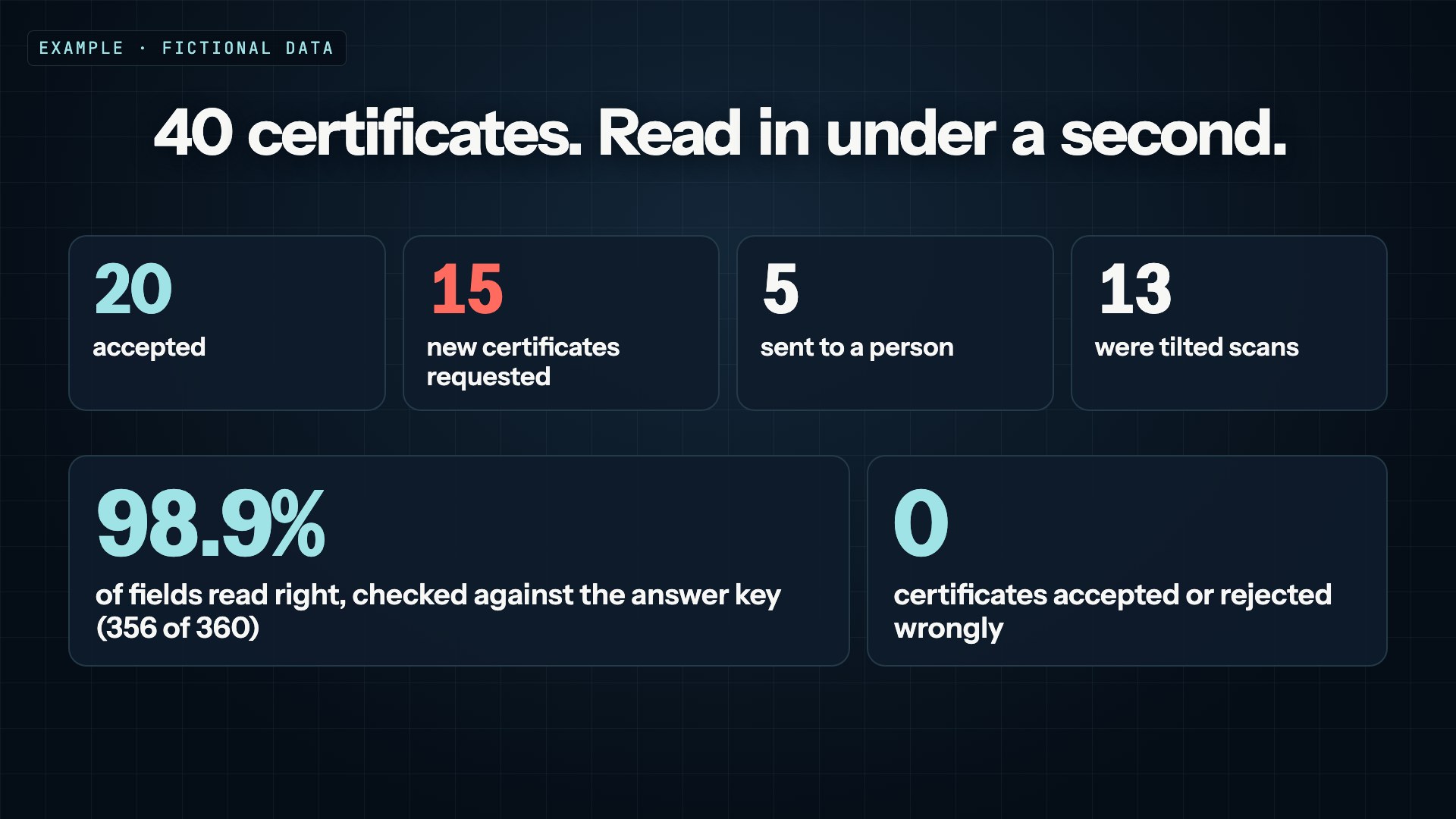
Subcontractor insurance certificates checked for limits, workers’ comp, additional insured and expiry. For general contractors in Northeast Arkansas.
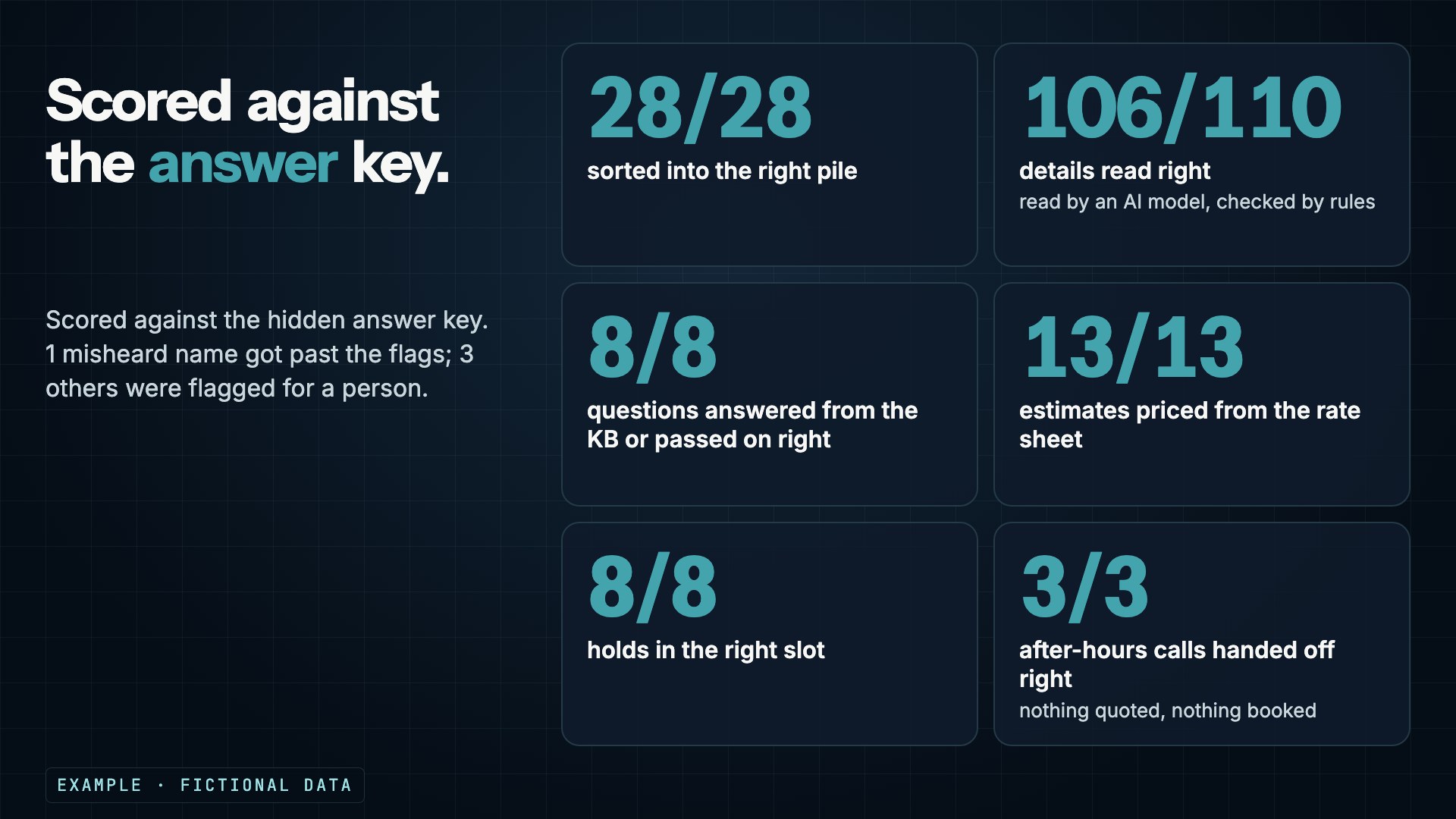
A day of texts, voicemails, web forms and after-hours calls sorted, estimates and schedule holds drafted for your okay. For mobile repair shops in NE Arkansas.
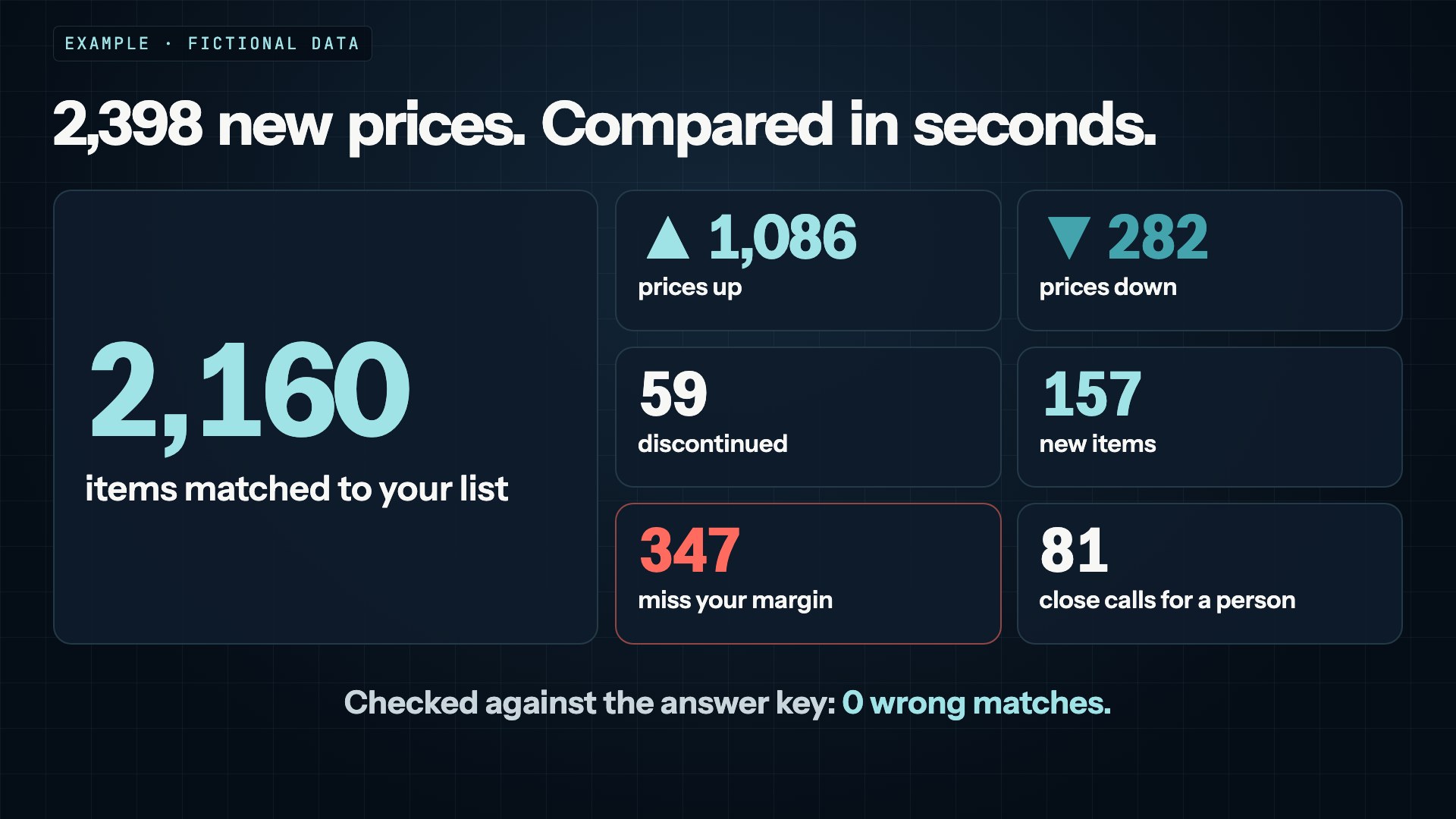
Every price change, discontinued and new item on a supplier’s price sheet matched to your price list, margin problems flagged. For NE Arkansas trades.
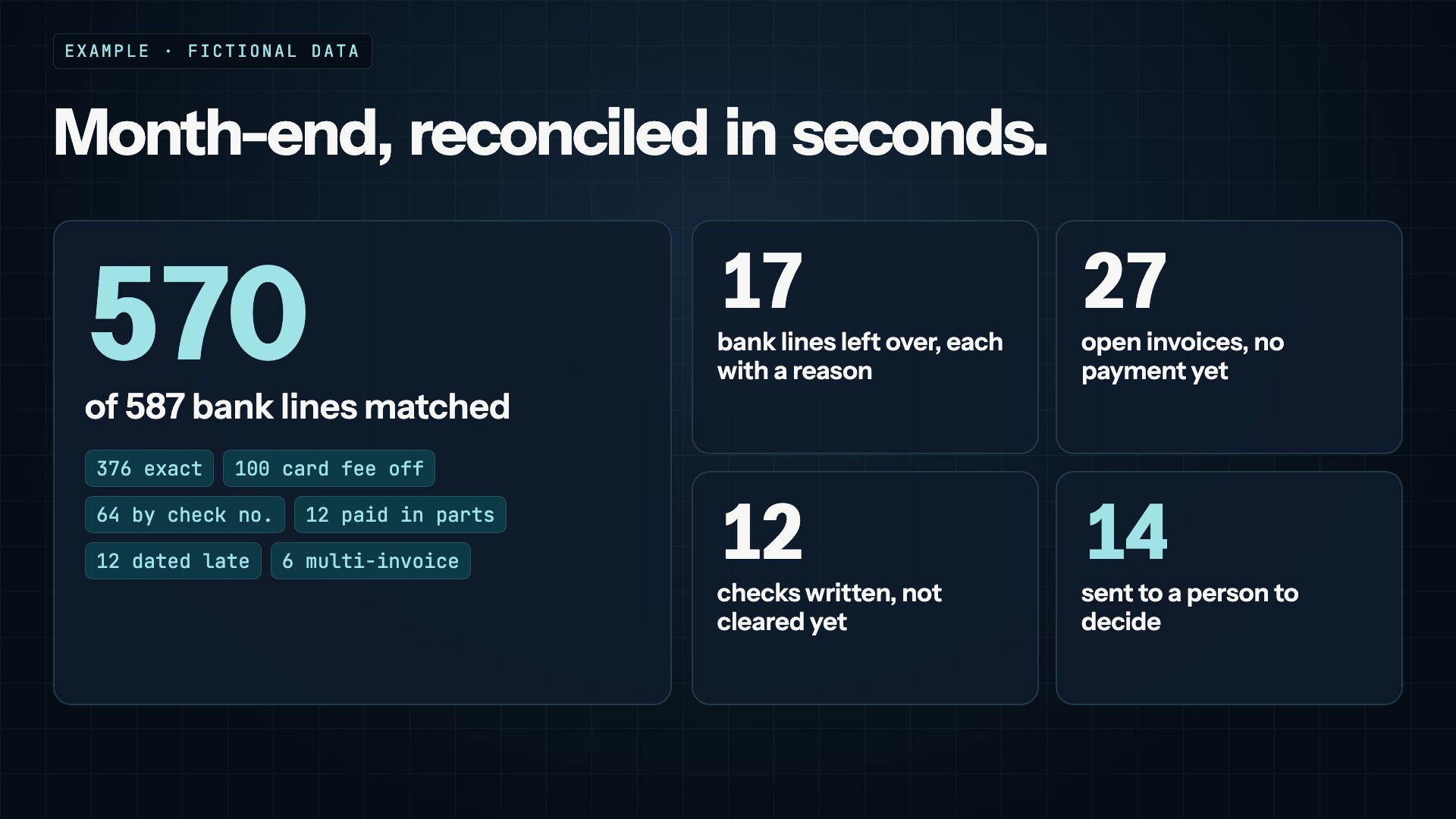
A month of bank lines matched to invoices and bills, each leftover line given a reason for your bookkeeper. For small offices and trades in Northeast Arkansas.
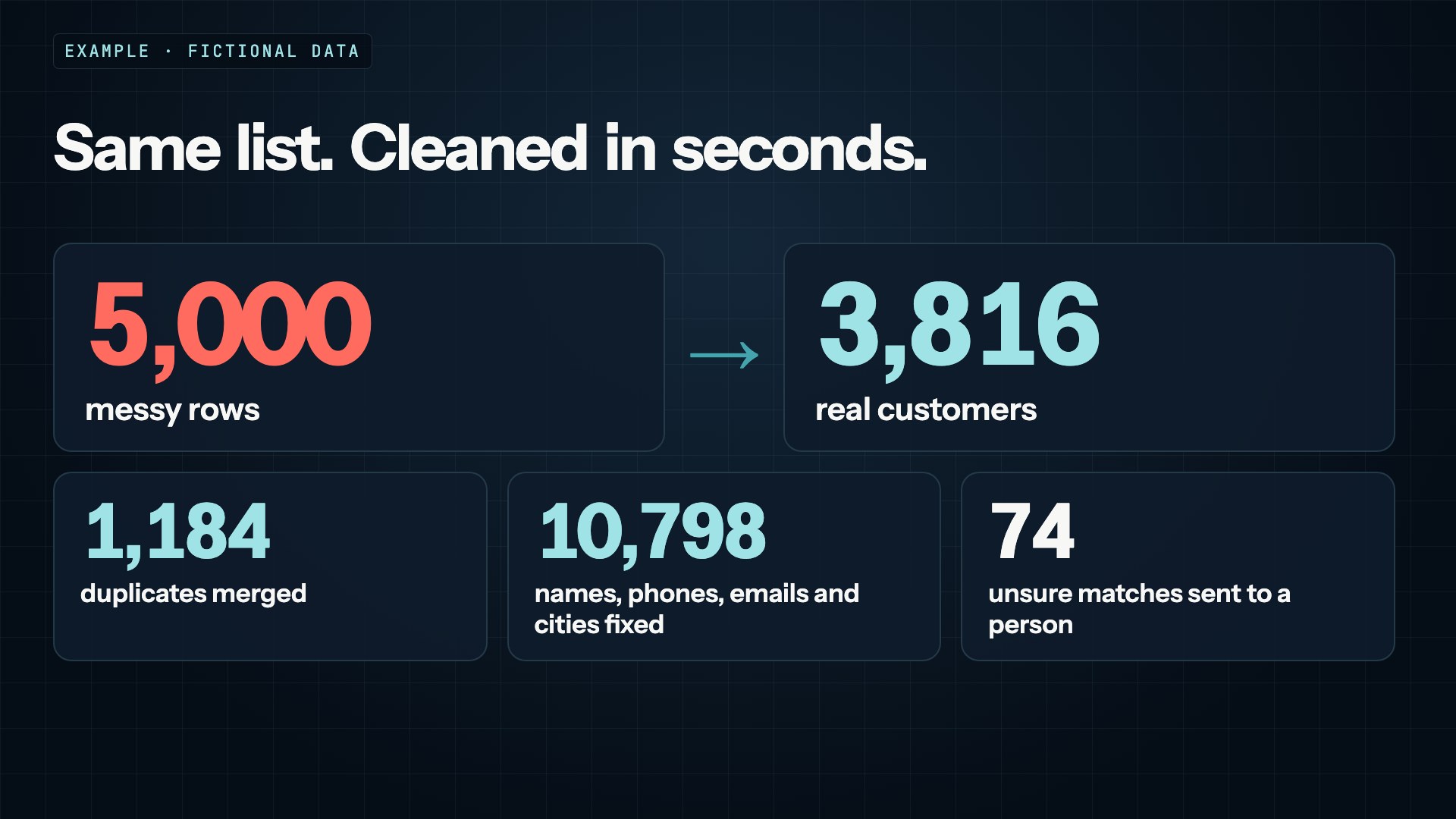
A messy customer list put in one format, duplicates merged and unsure matches held for a person. For service companies and offices in Jonesboro, AR.
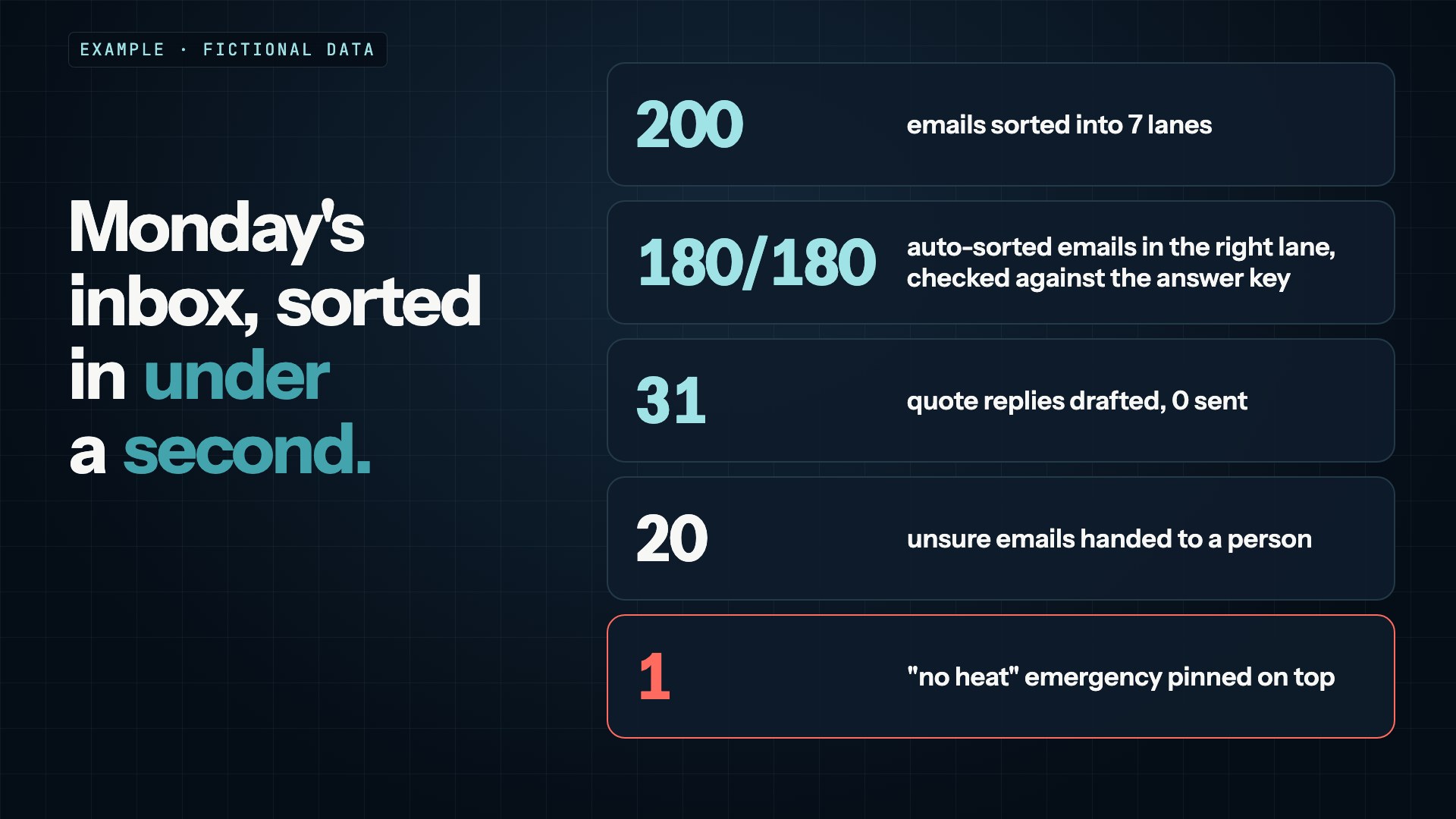
A busy shared inbox sorted by type, the urgent message pinned on top and routine replies drafted for your okay. For small offices and trades in Jonesboro, AR.
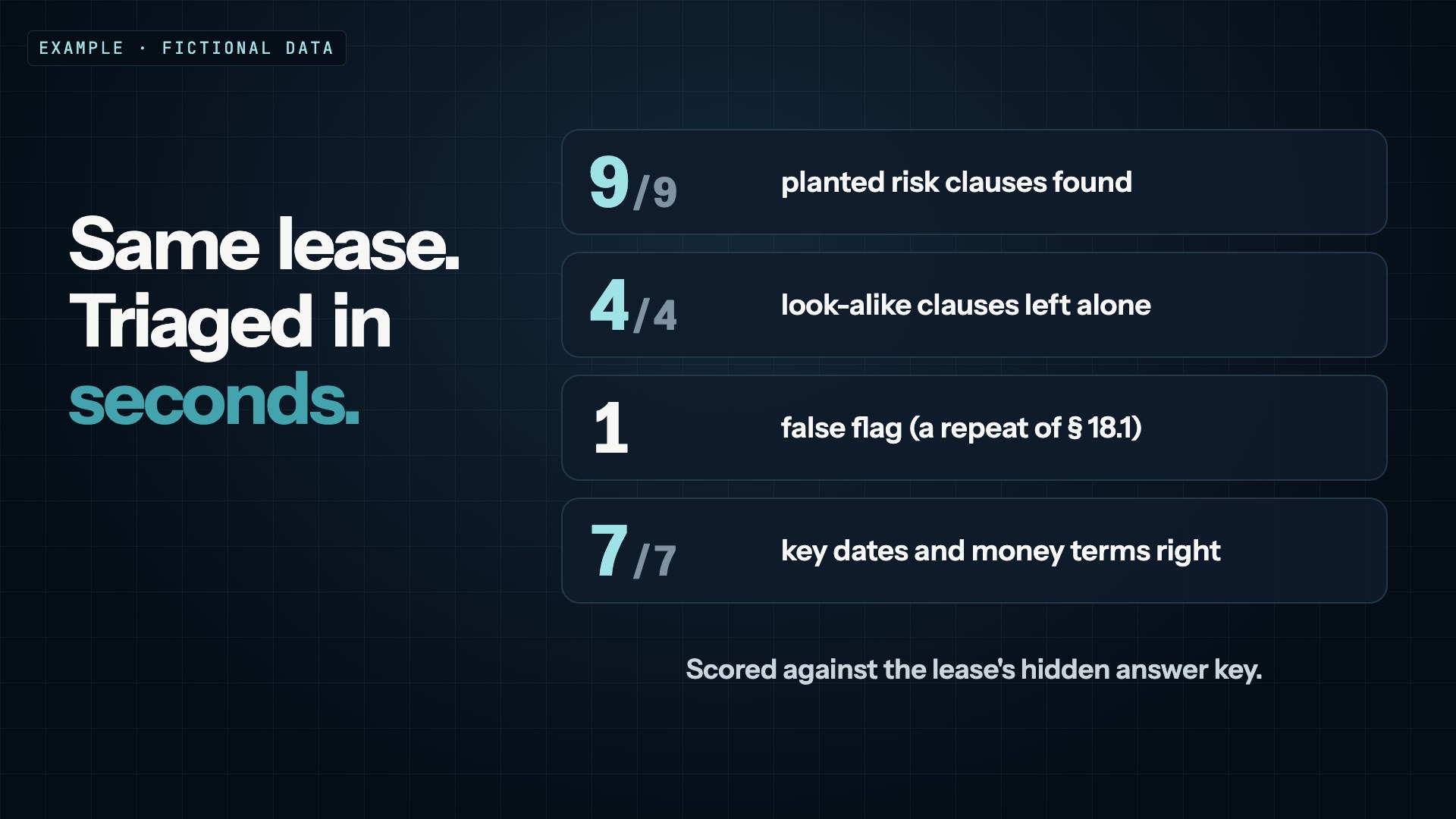
A commercial lease read clause by clause, risky terms flagged and key dates pulled onto a one-page summary for the attorney. For small law firms in NE Arkansas.
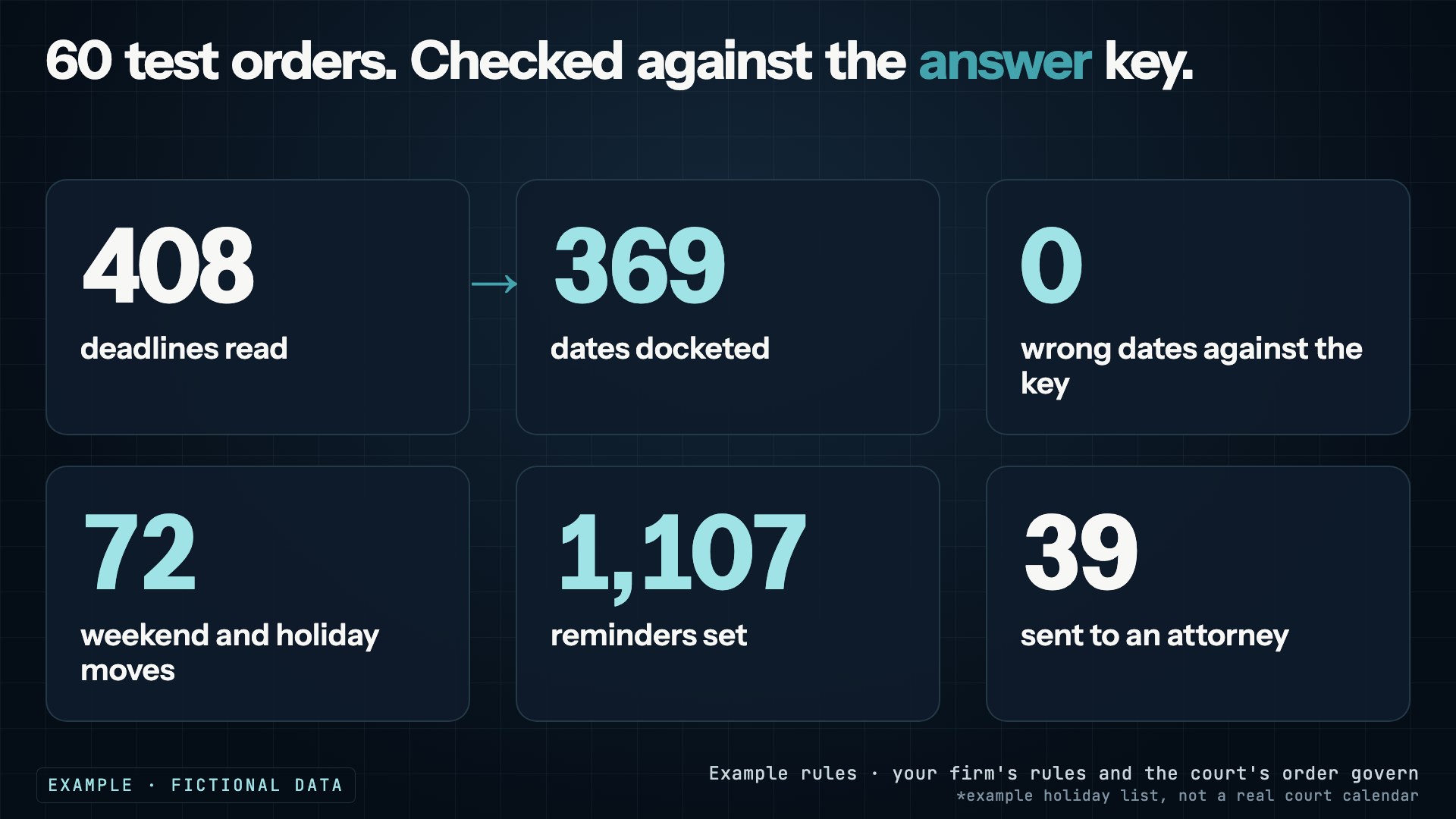
Scheduling orders read, each deadline counted and moved off weekends and holidays, then held for an attorney to confirm. For small law firms in NE Arkansas.
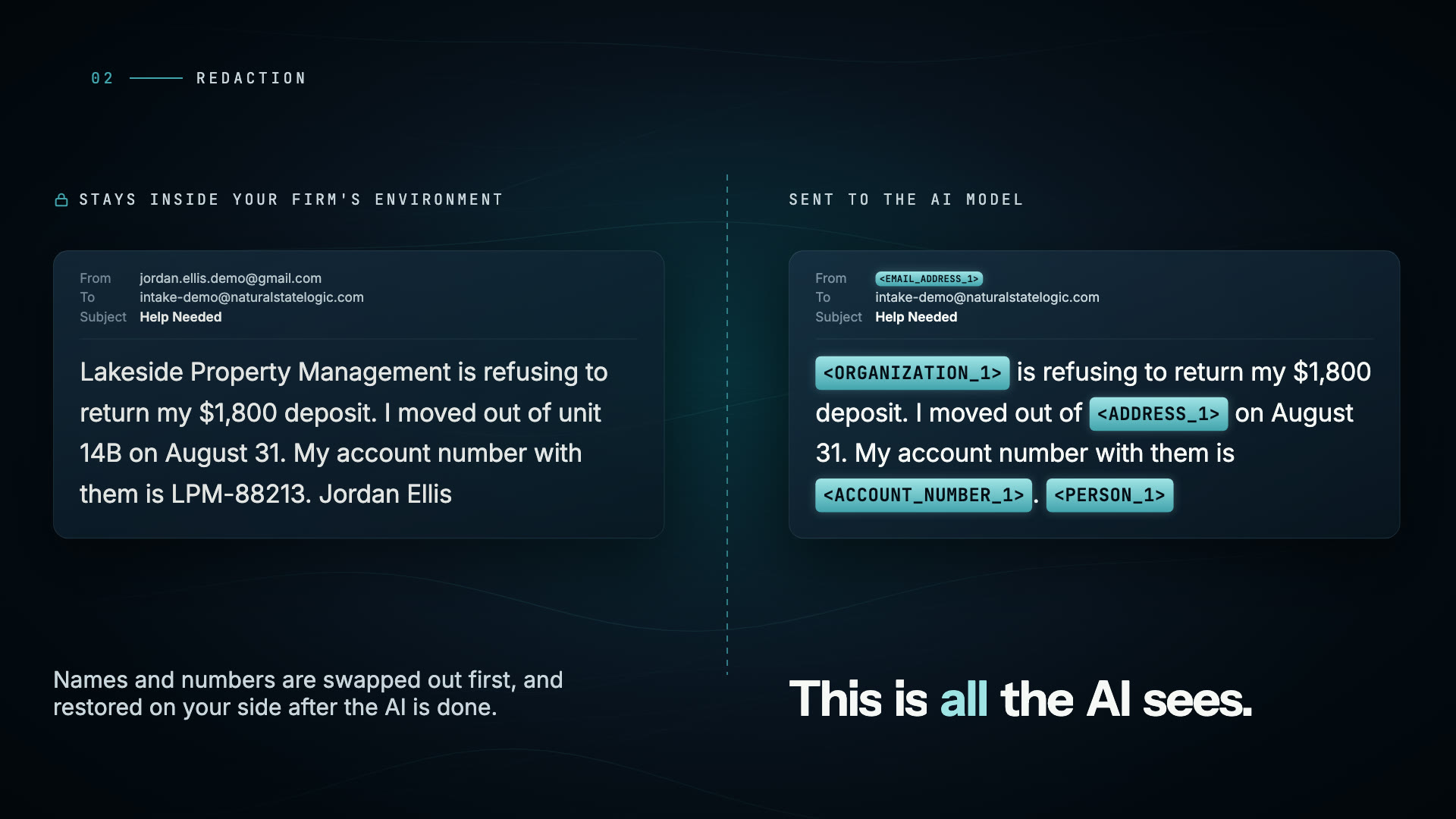
A new inquiry redacted, each party checked for conflicts in your records, and the reply left as a draft for an attorney. For small law firms in NE Arkansas.
14 items are published today. Each one carries its classification, so you can see what it is and what it is not before you read it.
An on-call engineer asks one question. An assistant pulls the ticket, server record, runbook, and credential ages, then drafts a ticket note it does not post.
One workflow, end to end: an assistant reads an emailed request with the signed-in person’s own permissions, proposes a record change, and waits for a decision.
The label is the whole claim, so the words matter more than the layout: “case study” is never used for hypothetical work, and a demonstration never implies a measured outcome.
A scenario Natural State Logic built to show how a workflow behaves. The records, names, and log entries are invented, no client is involved, and no business result is claimed.
A working implementation described in full so someone else can follow the approach. It shows how the parts fit together, not what it saved for a client.
Work performed for a client, written up with the identifying details removed: no client name, no personnel, no internal addresses, and no data that could be traced back to them.
Work performed for a client who reviewed the write-up and agreed to be named. Any result shown here is theirs, measured in their systems, and published with their permission.
Here is the difference in practice.
Pick a line of work to see one request go through the same trace: what the assistant reads, what it flags, and where it stops for a person. Every sample is fictional.
“North sill: two narrow tubes? IMG_0412. Crawlspace blocked by boxes, do NOT mark clear. Buyer’s agent wants an update.”
It drafts an observation summary and a status note to the buyer’s agent, with no finding and no signature.
Waiting for the licensed inspector
The inspector verifies each observation, decides any recommendation, and signs the report. Only the approved report goes out.
“I just got paged for 40217. Get me everything I need to start working it.”
It drafts the ticket note, the assignment, and the status change, and posts none of them.
Waiting for Priya
Priya reads the draft, edits it, and posts it herself.
“Pay application for the Willow Creek Library addition: roofing and interior framing progress, one change order pending.”
It drafts review questions that cite the record behind each one, and certifies nothing.
Waiting for the office manager and architect
The office manager checks the support, and the architect verifies progress before deciding on certification.
“We made some improvements to the house. Does that change what we need at renewal?”
It drafts a renewal briefing and a client check-in, and recommends no carrier or coverage change.
Waiting for Morgan, the licensed producer
Morgan checks the policy and any carrier terms, then approves the message to the client.
Bring the process, the systems involved, and who approves what. A short conversation is usually enough to say whether it is worth building.